Deadwood: the dangerous district across the bay
In most multiplayer zombie games the zombies live behind a menu. Here they live across a bridge, in the same city, in the same session as everything else.
· 3 min read · Brainbaby Labs · Updated
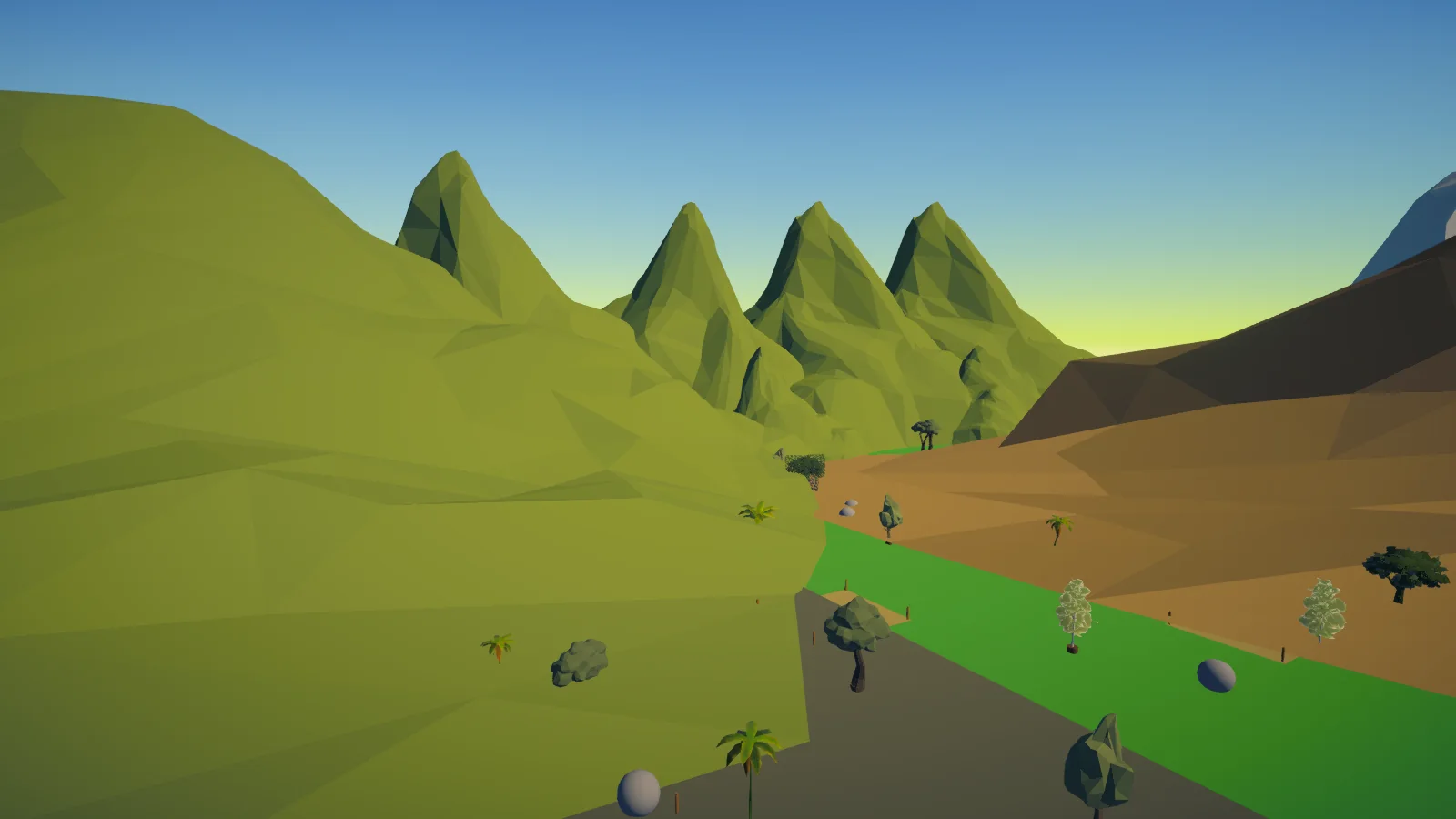
The lobby is doing more damage than it looks
The standard shape for a multiplayer zombie game is a menu, a queue, a match, and a results screen. It is a good shape. It is easy to balance, easy to matchmake, and every player who arrives wants exactly the thing that is about to happen.
But it decides something quietly. Because you queued for zombies, zombies are the only thing that can happen, and because the match ends, nothing that occurs inside it can matter afterwards. The mode is sealed at both ends.
What changes when it is a place instead
Deadwood Quarantine is a walled island north-west of the city with a bridge, a military checkpoint and an armourer. You are not matched into it. You drive to it, in the same session, in the same city where you were working a taxi shift ten minutes ago.
That single change moves four things at once.
- Going is a decision
- Nobody queues for the island. You choose to leave paid, safe work for hazard pay, and the alternative is still sitting there.
- The money is the same money
- A contract pays into the wallet that pays your rent. It is not a separate mode currency with no life outside the match.
- Losing costs something real
- There is no results screen to absorb it. Unbanked pay is gone, and it was going to buy something in the city.
- Your friends are already here
- No party menu, no invite codes. The people you are playing with are the people you were already driving around with.
The bridge is the whole design
The contract pays by the minute and multiplies the further in you go, and it only becomes yours when you walk back across the bridge. That rule is what makes the zone a place rather than an activity.
It means the interesting decision is never at the start, it is always in the middle, and it is always the same one: you are up, you are low on rounds, and the pay rate is still climbing. Turning around is admitting the number you are on is the number you get. Pushing on is betting that number against a horde that scales as you go.
In a lobby that decision is a difficulty setting somebody chose for you before the match started. Here you make it yourself, repeatedly, and you make it with a real amount of money at stake.
Doing it this way is harder, and here is where
Sealed modes are easier for a reason. Once the zone is part of the city, everything has to hold at once: the wallet that the island pays into is the wallet the bank charges rent from, and a player who never sets foot on the island still has to have a game worth playing.
It also means we cannot balance the zone in isolation. Make hazard pay too good and the city empties, because nobody drives a taxi when the island pays better. Make it too thin and the bridge is decoration. The rate has to sit in a band where going is tempting and staying is defensible, and that band only exists relative to what an ordinary shift in the city pays.
Who this is actually for
If what you want is twenty minutes of horde defence with a clean start and a clean end, a lobby game is genuinely the better product and you should play one. Nothing here is an argument that sealed modes are bad design.
This is for the other case: wanting the zombies to be somewhere you can go, in a city you already live in, with the people you already play with. That is a different game and it is the one being built.
Craze City is an online open-world life sim for mobile and it has not launched. The island is a district of it, not a separate download, and the waitlist is how you hear when it opens.