The Craze City field guide / 05
Cartoon zombie games: readable action without realism
Cartoon zombie games can make action easier to read through exaggerated shapes, clear movement and simplified effects. Check enemy silhouettes and attack cues, then judge intensity separately. Stylised art does not automatically mean gentle play, no jump scares or suitability for every younger player.
A player’s guide from the studio building Craze City. The full mobile game is prelaunch; the café browser challenge is playable now.
Recognise an enemy before it reaches you
A useful enemy design communicates something at a distance. A large silhouette might suggest a slower heavy threat, while a different posture can identify a faster one. The exact rules vary by game, but the visual distinction should help you make a decision before contact.
Watch a crowded encounter at phone size. Can you still tell one enemy type from another? Colour alone may become difficult to read in a busy scene, so shape and movement matter too. A collection of funny zombie portraits is less useful than footage showing how those designs hold up during ordinary play.
Effects should explain what happened
Stylised action can use flashes, movement and clear reactions instead of realistic injury. The important question is whether the player understands a hit, a miss and a threat preparing to act. Too many overlapping effects can obscure that information even when none of them are graphic.
If you prefer less intense presentation, inspect sound as well as visuals. A bright character can still be paired with startling audio or a sudden close-up. Read the official content rating and watch actual encounters. Avoid treating the absence of blood as a complete description of tone or age suitability.
One useful viewing test is to pause during an ordinary fight and identify the nearest threat without enlarging the image. If that is difficult, the action may depend on details that are too small for your usual device.
A playful look can support a demanding game
Difficulty comes from timing, enemy behaviour, resource pressure and consequences. Cartoon art can sit on top of any of those systems. Decide whether you want a forgiving action game or simply a different visual style. Those are separate preferences, and a useful description should not collapse them together.
Look for what happens after a mistake. A quick restart with little loss feels different from losing a run's rewards. If you enjoy the look but dislike the stakes, check whether easier or lower-risk activities exist. The beginner zombie guide focuses on learning conditions rather than appearance.
Craze City's stylised infected
Craze City's Deadwood development material describes infected enemies without blood or gore, using a containment-style presentation. The no-blood design article explains that visual decision. The game is still prelaunch, so this is development information rather than a current store-rating claim.
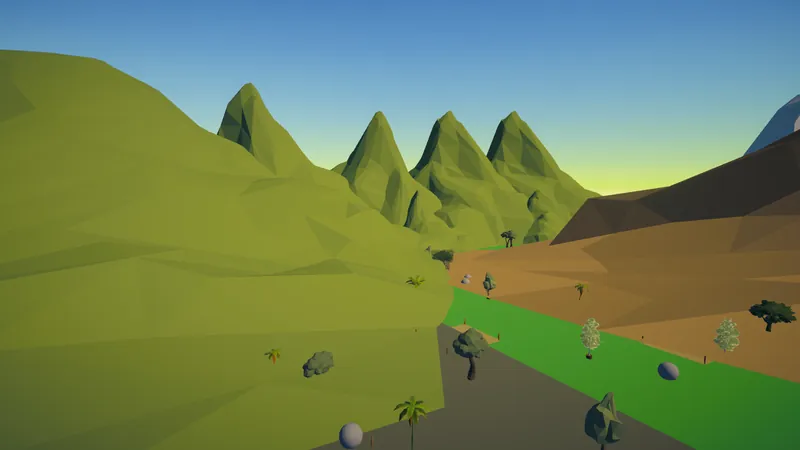
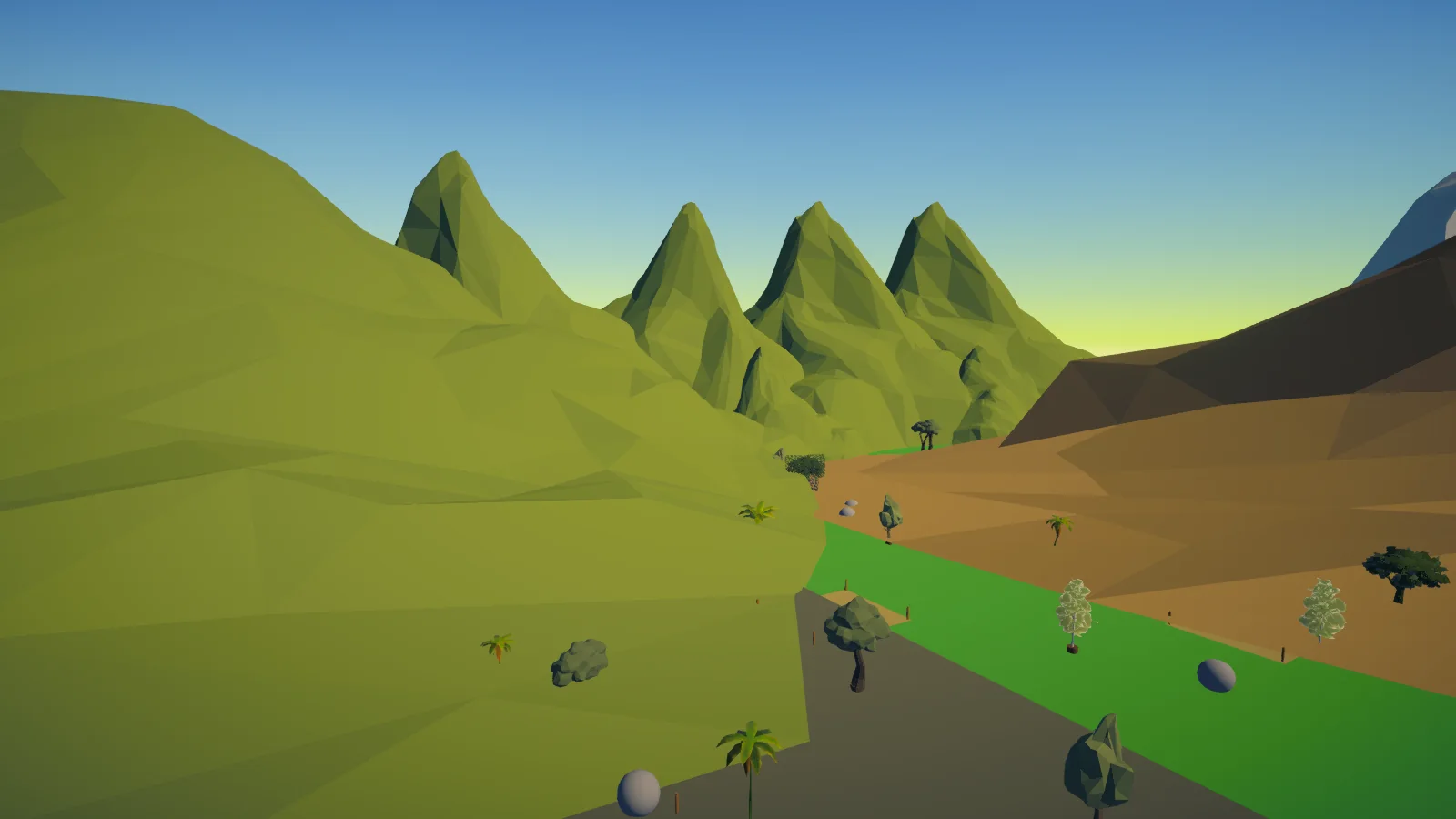
The zombie artwork on the website is promotional illustration. Actual development captures are labelled separately. This guide does not promise that all encounters are low-stress or free of startling moments. For the risk side of the mode, read extraction-style games and the published Deadwood overview.
Make it your kind of game
Your shortlist checklist
Tick the things you want to check before choosing. This is a scratchpad for this visit.
Inside our city / in development
Where Craze City fits
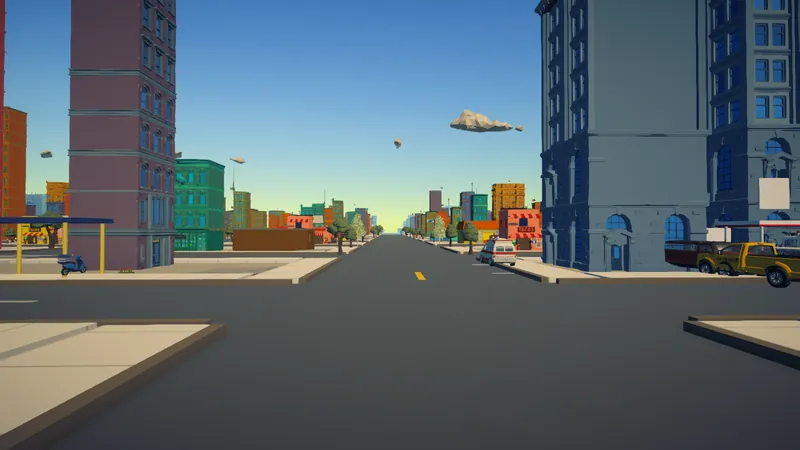
Craze City’s current Deadwood direction uses stylised infected and no blood or gore. The game remains prelaunch. Promotional zombie illustrations are not gameplay captures, and a stylised presentation does not establish a final age rating or guarantee low intensity.
See actual game capturesQuick questions
Does cartoon zombie art mean a game is easy?
No. Enemy behaviour, timing and resource loss determine much of the difficulty. Art style and challenge level should be checked separately.
Does no gore mean there are no jump scares?
No. Gore and startling presentation are different content questions. Check actual encounters and audio rather than inferring one from the other.