The Craze City field guide / 02
Taxi driving games: passengers, routes and city life
Look for passenger pickup and drop-off, readable destinations and direct control of the car when choosing a taxi driving game. Then decide whether you want careful driving, fast arcade trips or a cab job inside a larger life sim. The taxi theme alone does not tell you which of those experiences a game offers.
A player’s guide from the studio building Craze City. The full mobile game is prelaunch; the café browser challenge is playable now.
A good trip has a beginning and an end
A passenger gives a drive a purpose. The pickup point should be easy to identify, and the destination should appear clearly enough that you can plan the next few turns. Watch whether stopping at the destination feels precise or awkward. A small invisible trigger can turn an otherwise enjoyable trip into repeated reversing.
Pay attention to what happens after the fare. Does another passenger appear immediately, do you return to a depot, or can you continue exploring? That transition sets the rhythm of the game. A continuous queue suits someone who wants a focused score chase; a break between fares suits someone who wants to get to know the city.
Match the handling to your preferred pace
Simulation-style driving can ask you to watch traffic, braking distances and road position. Arcade driving usually makes turning and recovery more forgiving. Neither label guarantees good touch controls. Try to see steering, braking and camera movement together in actual mobile footage, rather than judging handling from a cinematic car chase.
If you are choosing a game for relaxed play, inspect whether the route timer can be ignored or switched off. If you want competition, look for clear scoring rules that explain how speed and mistakes affect the result. A timer is most useful when it gives you a reason to improve a route you already understand.
Navigation is a skill you can enjoy learning
The first few trips should help you build a mental map. Notice bridges, large intersections or a distinctive building near the drop-off. On the next journey, try predicting the route before checking the marker. That small habit turns repeated taxi work into learning the city rather than following a line indefinitely.
A large map is not enough on its own. If every road looks identical or the marker hides upcoming turns, more distance can mean more confusion. Compare how games communicate the next decision. A useful camera and a recognisable street corner can matter more than an impressive number attached to the map size.
Taxi work inside a broader city routine
A cab career in a life sim can make earning money part of the same world where you own a home or choose other activities. In a dedicated taxi simulator, improving the cab business may be the entire progression. Decide whether you want a detailed profession or a role you can pick up for a while.
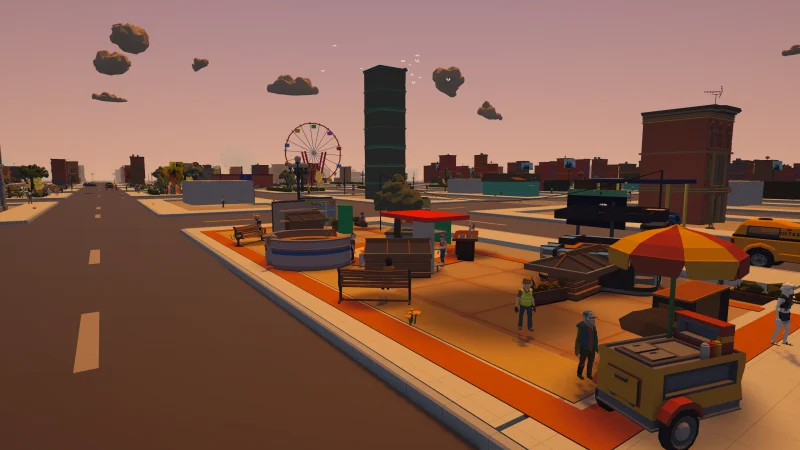
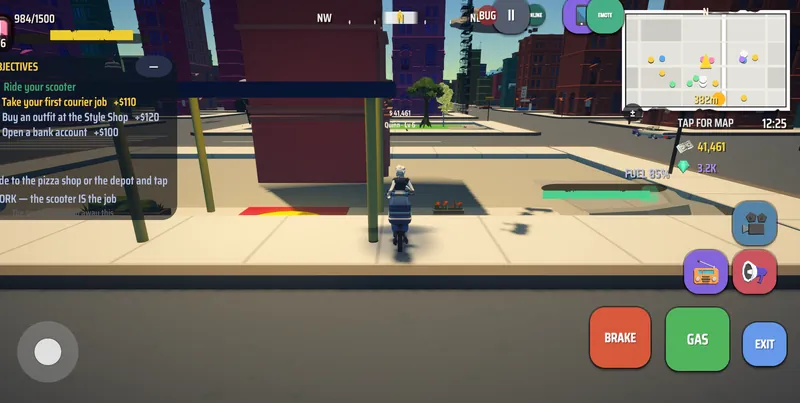
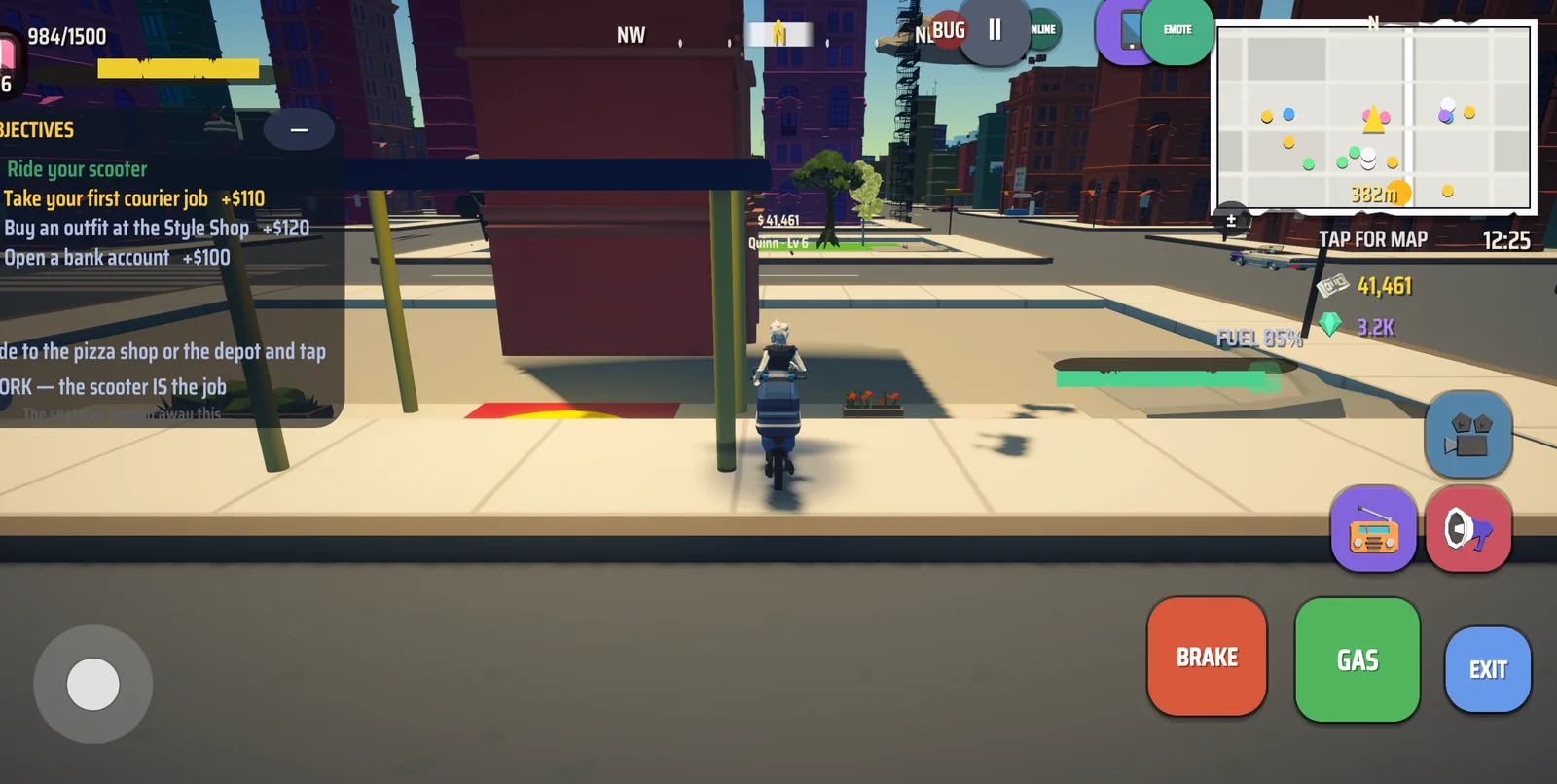
Craze City’s build includes cab driving among its city careers. The public driving image currently shows a scooter, not a taxi mission, so it demonstrates the street environment rather than passenger UI. That distinction helps you separate what you can see directly from features described in development notes. The delivery-route guide examines similar navigation choices with packages instead of passengers.
Make it your kind of game
Your shortlist checklist
Tick the things you want to check before choosing. This is a scratchpad for this visit.
Inside our city / in development
Where Craze City fits
Cab driver is a career in the current Craze City build. It sits alongside other jobs rather than being the entire game. Craze City remains prelaunch, and this guide does not promise a final taxi fare, passenger count or route duration.
See actual game capturesQuick questions
Are taxi games always realistic driving simulators?
No. Some are arcade score games and others are life sims with a taxi job. Look at steering, traffic rules and scoring rather than relying on the vehicle theme.
What makes taxi driving different from free roaming?
A passenger gives you a destination and usually a completion reward. Free roaming lets you choose the trip yourself. A game can offer both, but you should check how easily you can switch.