The Craze City field guide / 04
Mobile games without pay-to-win: what to inspect
To judge whether a mobile game avoids pay-to-win pressure, check whether spending can improve competitive power, accelerate essential progress or buy access to stronger options. Cosmetic purchases are a different category, but the label cosmetic should still be verified. A free download alone tells you little about the advantage money can buy.
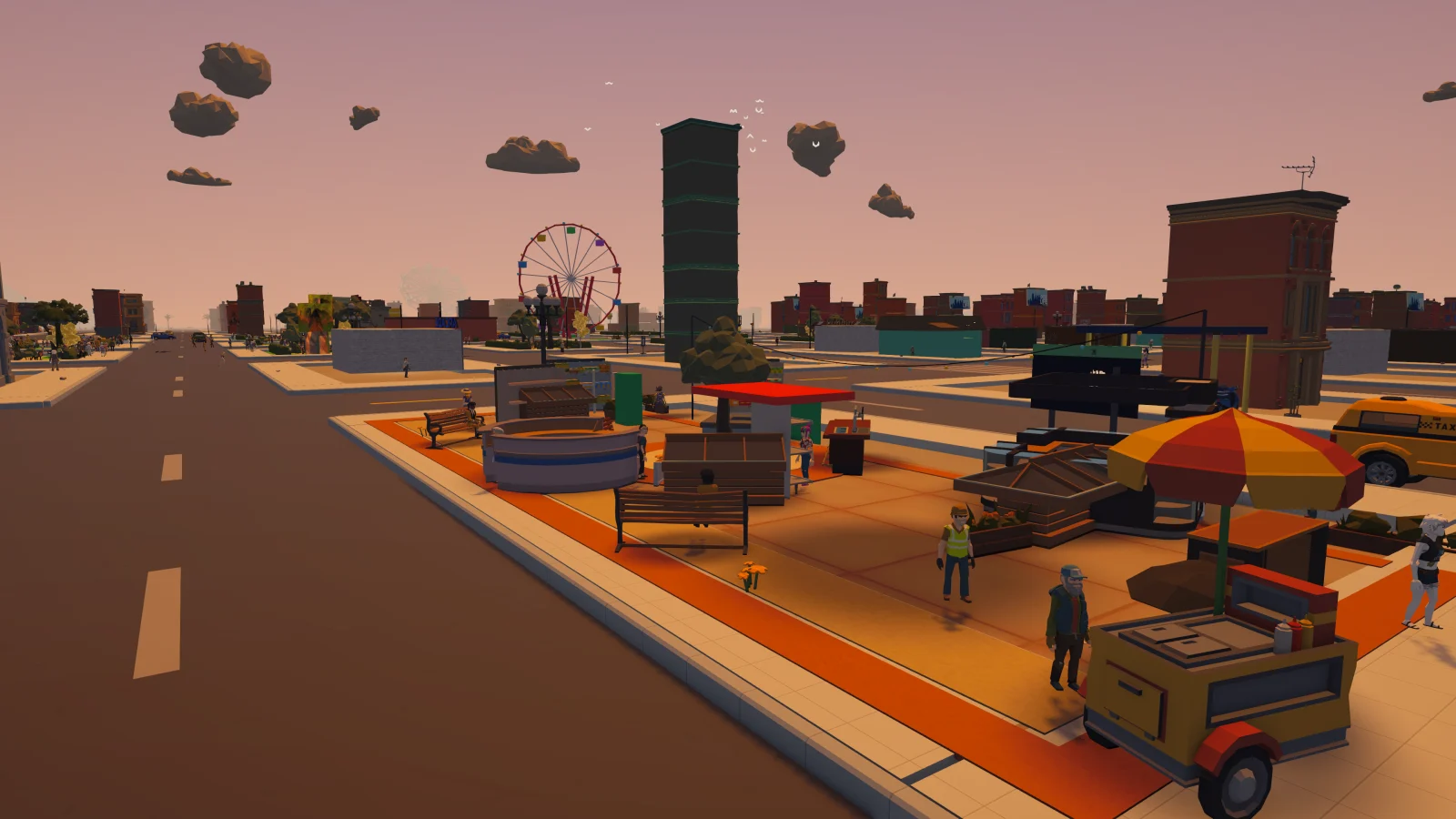
A player’s guide from the studio building Craze City. The full mobile game is prelaunch; the café browser challenge is playable now.
Follow a purchase to its gameplay effect
Look at what a paid item actually changes. A visual outfit may leave gameplay untouched, while a resource bundle can speed up equipment upgrades. A subscription may provide convenience, power or both. The useful question is what two otherwise similar players can do differently after one spends money.
A game does not need a direct victory button to create spending pressure. Faster progression can matter if it determines access to stronger equipment or competitive activities. Conversely, optional appearance items may fund a game without changing those outcomes. Read concrete item descriptions rather than relying only on a broad fairness slogan.
Check the systems after the tutorial
Early play may offer generous resources that make restrictions hard to see. Look for official explanations of later progression and what happens when the initial supply runs out. If a review makes a strong claim, check when it was written and which version it describes.
For a game you can try, pay attention to the first point where you cannot continue your chosen activity. Is the restriction a normal challenge, a time gate or a purchase prompt? Understanding that moment is more useful than counting how many currencies appear on the screen. Several currencies can be earned fairly, while one currency can still carry a substantial advantage.
Fairness and price are related but different
A paid-upfront game can still sell additional advantages. A free game can offer extensive play without doing so. A no-in-app-purchases promise is a clearer restriction on spending inside the app, but it does not answer every question about ads, subscriptions elsewhere or future changes.
Check the current official store information and the developer's explanation together. Avoid treating a monetisation model as permanent if the service can change. Our existing no-in-app-purchases guide covers that purchase-model question; this page focuses on whether spending affects the way you compete or progress.
Craze City's published approach
Craze City's published direction is free mobile play with no in-app purchases, and the verified current currency systems do not move real money. That is a concrete development commitment rather than a claim that a particular paid item is harmless. The economy article explains the in-game-money side.
The game is still prelaunch. This guide does not use that promise to imply an ad-free release, a specific store rating or an unchanged business model forever. Check launch information when the game becomes available, and evaluate the actual release against the promises made during development.
Make it your kind of game
Your shortlist checklist
Tick the things you want to check before choosing. This is a scratchpad for this visit.
Inside our city / in development
Where Craze City fits
Craze City’s current published direction is free play with no in-app purchases. Its development economy uses in-game currency, with no cash-out. The game is prelaunch, and this guide does not turn those claims into an unsupported promise about advertising.
See actual game capturesQuick questions
Does no-pay-to-win mean there are no purchases at all?
No. A game may sell cosmetics without selling gameplay advantages. No in-app purchases is a separate and more specific claim about transactions within the app.
Does Craze City’s no-in-app-purchases direction mean ad-free?
This page does not make an ad-free promise. Purchase rules and advertising are different questions, and each needs its own explicit release information.