The Craze City field guide / 02
Police roleplay games: patrols, pursuits and boundaries
Police roleplay games can be patrol simulators, chase games or shared cities where players act out jobs. Decide whether you want structured missions or improvised stories with other people. Look for clear rules around arrests and pursuits, especially when another player can be affected by your actions.
A player’s guide from the studio building Craze City. The full mobile game is prelaunch; the café browser challenge is playable now.
Find out who sets the rules
A scripted patrol gives you defined tasks and a clear completion condition. A player-run roleplay session may depend on community rules and cooperation. These can feel completely different even when both use a police car and a city map. Read the game description for actual examples of what an officer does during a session.
For social play, check how disputes are handled. Can someone refuse a scene? Is there a reporting system? Do role permissions limit who can start an arrest? You should not have to guess whether another player's actions are part of the game or a breach of the rules. A role title by itself does not explain the boundaries.
Watch a patrol that does not become a chase
Trailers often show the loudest moment, but a patrol game spends time between emergencies. Look for ordinary navigation, interaction prompts and the process of choosing a call. If you enjoy the routine of driving through a city, those quieter moments may be the reason you keep playing.
If you mainly want pursuit action, inspect how collisions and recovery work. Does one bump end the mission, or can you keep driving? Can you tell which vehicle is the target when traffic gets busy? Readable feedback matters more than a dramatic siren effect when you are making decisions on a small screen.
Separate roleplay from real police procedure
A fictional city can simplify jobs for entertainment. It should not be used as a guide to legal powers or real emergency procedures. When comparing games, focus on whether their own rules are understandable and consistent. A mission that explains its fictional objective is easier to enjoy than one that assumes you know an unwritten procedure.
Think about the kind of story you want to create. A quiet patrol, helping a stranded driver and a high-speed chase all have different moods. If a game only supports one of them, more vehicles will not necessarily provide the variety you wanted. Find footage of the actual activity that attracted you.
Choosing a role in Craze City
The current Craze City build includes a cop career as well as a separate crime-and-prison system. Those development systems should not be read as a promise of player-run police factions or unrestricted player arrests. The crime design article describes the consequences being built into the city.
For a broader understanding of jobs, read the career notes. They explain why paid work is part of the city's economy. Craze City is still prelaunch, so a reader choosing a game to play tonight should check a released game's official listing and rules rather than expecting immediate access here.
Make it your kind of game
Your shortlist checklist
Tick the things you want to check before choosing. This is a scratchpad for this visit.
Inside our city / in development
Where Craze City fits
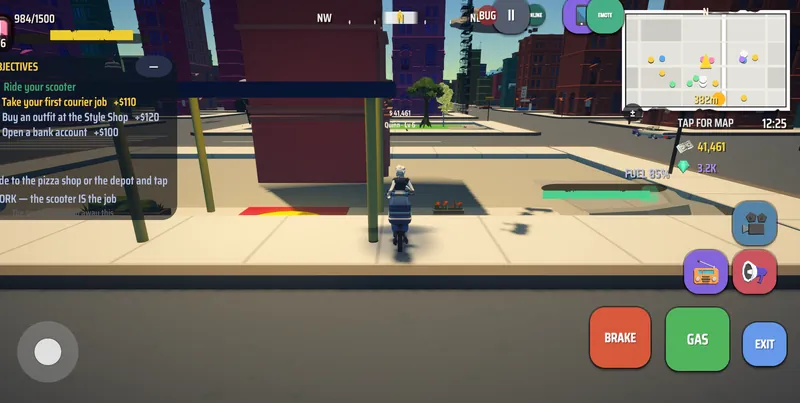
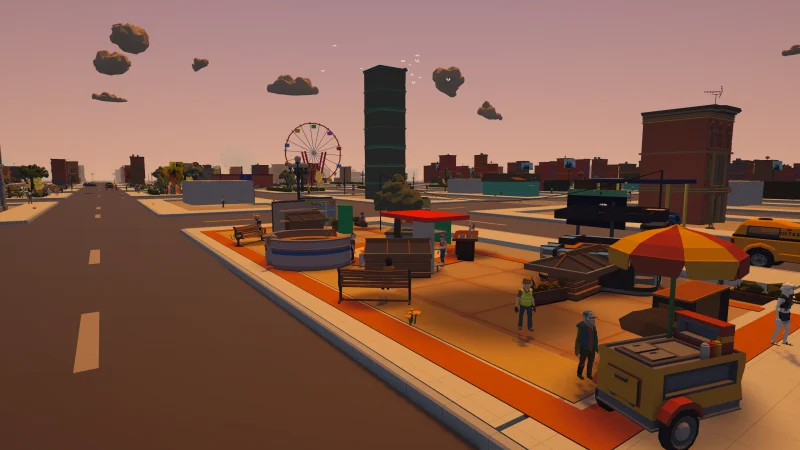
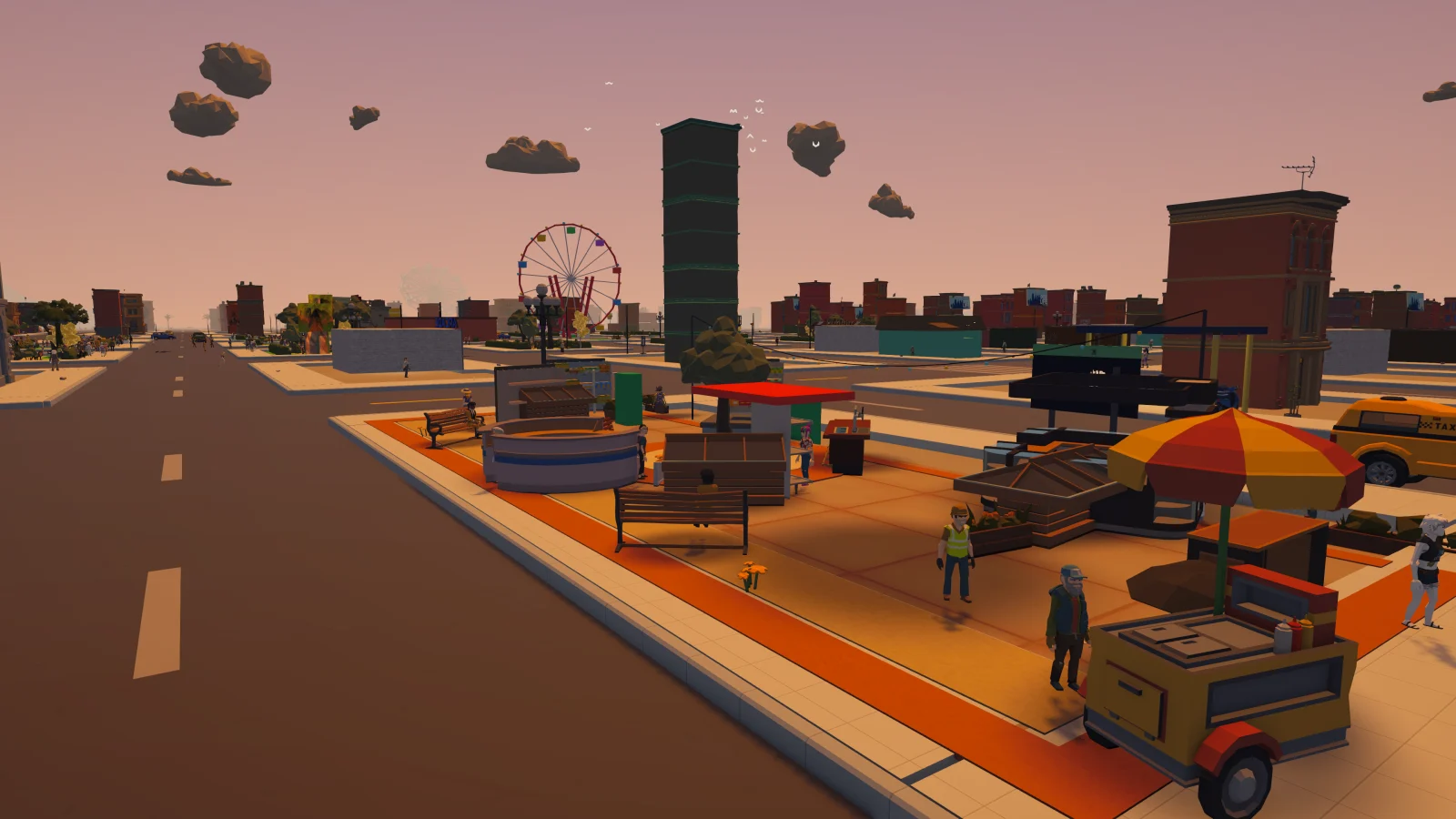
Cop is a career in Craze City’s development build. The actual city capture provides environmental context, not a demonstration of multiplayer policing. We have not announced player-controlled police departments or a complete social-role moderation model on this page.
See actual game capturesQuick questions
Are police roleplay games the same as police simulators?
Not necessarily. Roleplay can depend on people acting out a scene, while a simulator usually supplies defined tasks. Check the mission structure and community rules.
Does Craze City promise player-run police factions?
This guide does not make that claim. A cop career exists in the build, but that alone does not establish player-run departments or the rules for policing other players.