The Craze City field guide / 03
Open-world games with a city and wilderness to explore
If you want both city life and wilderness, check how the two spaces connect and what changes when you leave town. A useful combination offers a reason to enjoy each area, with clear travel and risk rules. Two attractive screenshots do not prove that you can move freely between the places shown.
A player’s guide from the studio building Craze City. The full mobile game is prelaunch; the café browser challenge is playable now.
Follow the journey across the boundary
Watch an uncut trip from a familiar street into the outdoor area. Does the player walk or drive there, use a menu or enter a separate mode? Each approach can work, but it creates a different sense of continuity. Choose based on whether the transition itself matters to you.
If a game uses separate zones, check what carries between them. Your character, equipment and progress may not behave identically in every area. A shared visual style can make distinct modes look like one connected world, so read the explanation of how travel works instead of relying on a trailer edit.
Outdoor space needs more than distance
A wilderness can offer routes, landmarks, resources or simply a change of atmosphere. Decide which of those you want. If the attraction is a quiet walk, a readable valley may be enough. If you expect survival, look for the actual food, equipment or danger systems rather than assuming trees imply crafting.
Notice how the game guides you back. A recognisable mountain line or a visible road can help exploration feel voluntary rather than disorienting. You should be able to tell whether you are wandering into a new area or moving beyond a boundary the game has not made clear.
Check whether the rules change outside town
Some games make the city a safe base and the countryside a riskier place. Others keep exploration gentle throughout. Look for an explicit warning before combat, resource loss or survival needs begin. Knowing the boundary lets you choose a mood for the session instead of stumbling into a different genre.
If you like both activities, that contrast can be appealing. A quiet town routine can give a dangerous outing something to return to. If you mainly want scenery, check whether combat can be avoided or whether outdoor progression requires it. Optional danger and unavoidable danger should not be presented as the same feature.
Craze City's development environments
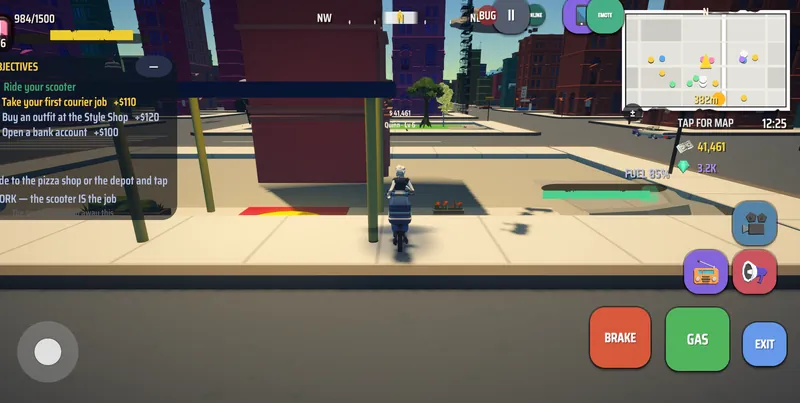
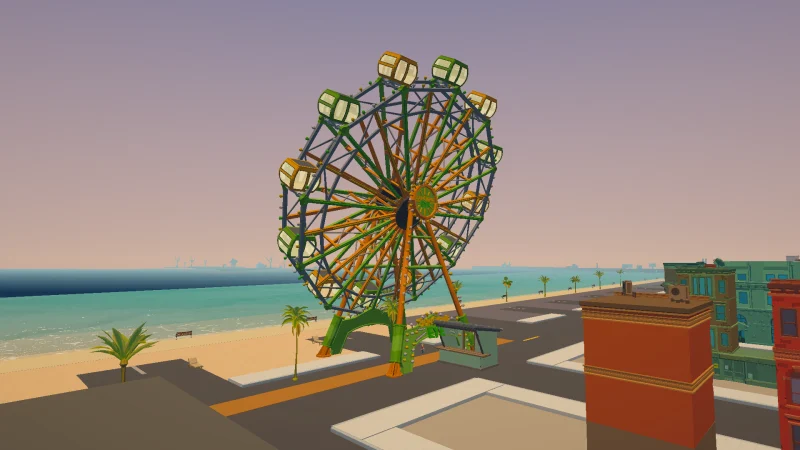
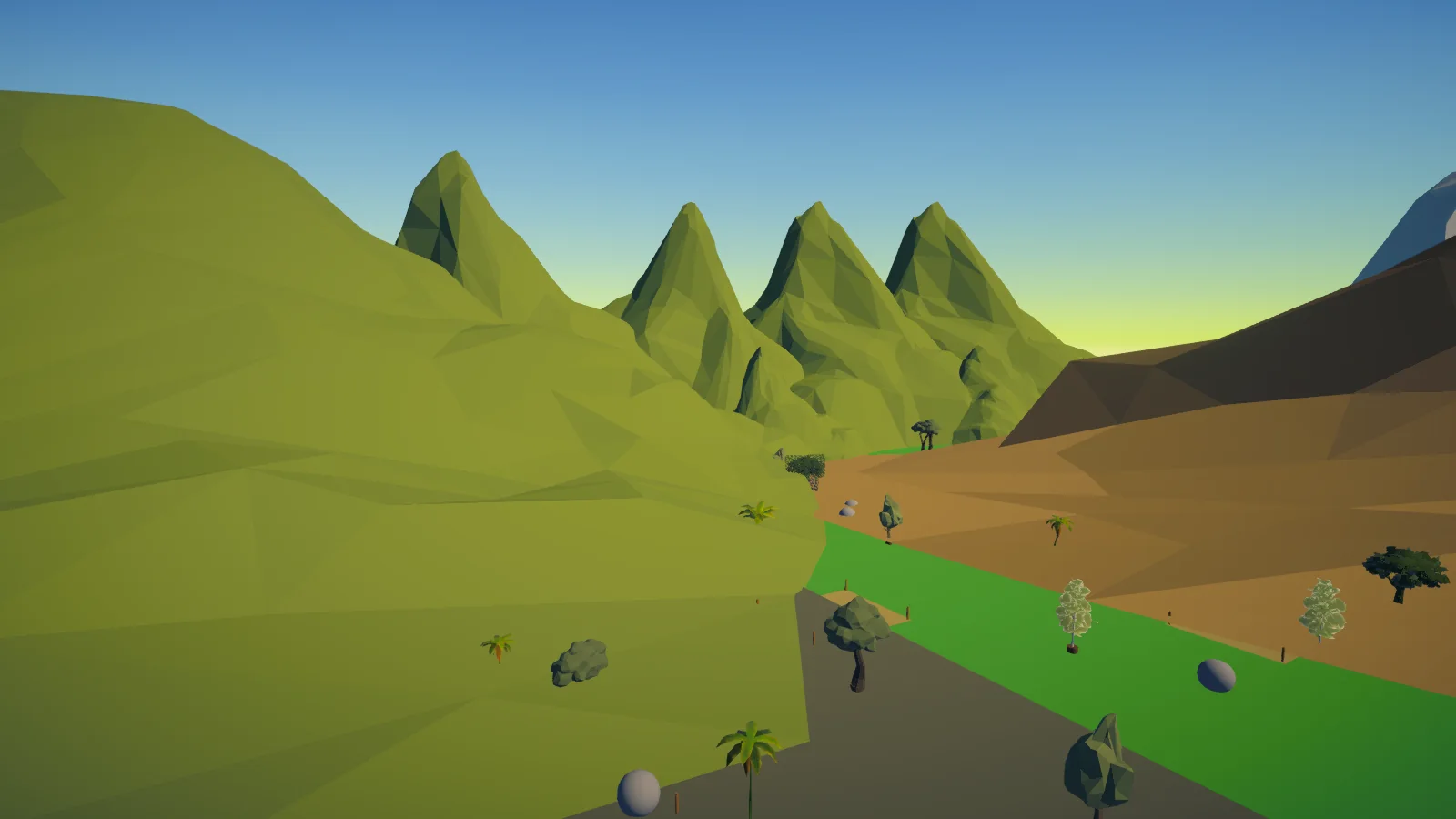
The actual Craze City gallery includes city streets and a green wilderness valley. The connected-world article describes the development approach to moving through its spaces. Its Deadwood area is discussed separately on the survival page, with clear risk information.
The wilderness screenshot is not a map of Deadwood and should not be used as one. Craze City remains prelaunch, so final routes and boundaries need to be judged in release material. For an exploration-focused session, the small-town guide offers a way to assess landmarks and everyday destinations before worrying about map size.
Make it your kind of game
Your shortlist checklist
Tick the things you want to check before choosing. This is a scratchpad for this visit.
Inside our city / in development
Where Craze City fits
Craze City’s development gallery shows both city and wilderness environments. The green valley capture is an environment image, not a Deadwood tactical map. The mobile game is prelaunch, and final travel routes or area boundaries are not established by a screenshot.
See actual game capturesQuick questions
Does wilderness mean a game has crafting and survival?
No. It can simply be an outdoor exploration area. Look for explicit resource, crafting and survival mechanics if those are the activities you want.
Is the wilderness capture on this page a map of Deadwood?
No. It is an actual development environment capture. The Deadwood page explains that mode separately, and its interactive website diagram is labelled as a schematic.