The Craze City field guide / 01
Small-town exploration games with places to remember
A good small-town exploration game gives you recognisable places and reasons to move between them. Look for streets you can learn, buildings with a purpose and room to wander without a constant objective. A compact map can be rewarding when returning to a familiar corner feels different from passing anonymous scenery.
A player’s guide from the studio building Craze City. The full mobile game is prelaunch; the café browser challenge is playable now.
Landmarks help a place become familiar
A distinctive building, a bend in the road or a bridge can anchor your mental map. Notice whether you can describe a route without naming only interface markers. If you remember the bakery corner or the hill behind a neighbourhood, the world is giving you something useful beyond its minimap.
Try watching a short walk twice. On the second viewing, predict where the character is going. That is a simple way to judge how readable the environment feels. A map with fewer streets can offer more satisfying familiarity than a much larger one whose routes all look the same.
Everyday destinations create a routine
A shop, workplace or home gives exploration a reason to repeat. The question is whether the destination supports an activity you enjoy. A building can look inviting while functioning only as a backdrop. Check entrances and interaction prompts in gameplay footage instead of assuming every door opens.
You do not need every building to be accessible for a town to work. What matters is whether the accessible places form a routine with enough variety. A short trip between two useful locations can make a place feel lived in. Decorative buildings can still contribute atmosphere, as long as their role is clear.
Wander without turning it into a checklist
For a relaxed session, choose a direction and a modest endpoint. Walk to the water, find a different route home or look for a street you have not used. This gives you a reason to pay attention without needing to collect every marker on the map.
Check whether the game supports that pace. Constant enemy attacks, strict hunger systems or urgent missions can make wandering harder to enjoy. If those systems exist, look for safe areas or settings that match your preference. A peaceful-looking town may still sit inside a demanding survival game, so inspect the rules around exploration.
Reading Craze City's neighbourhoods
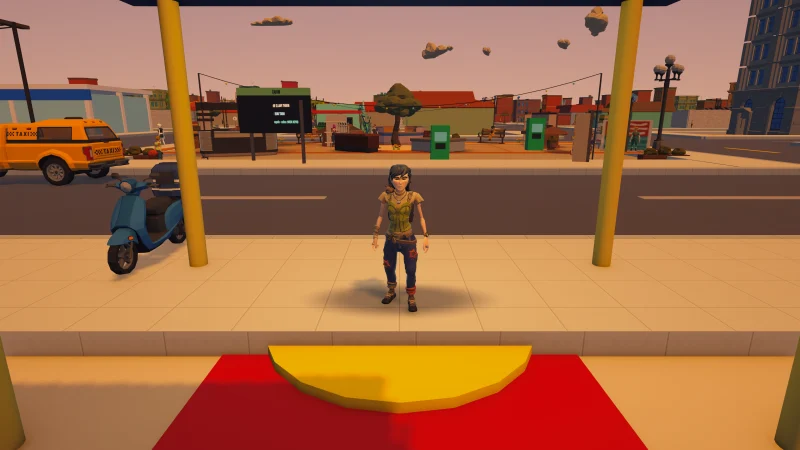
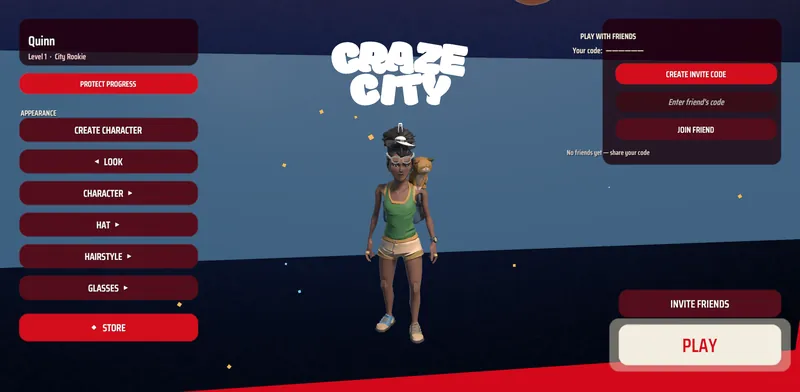
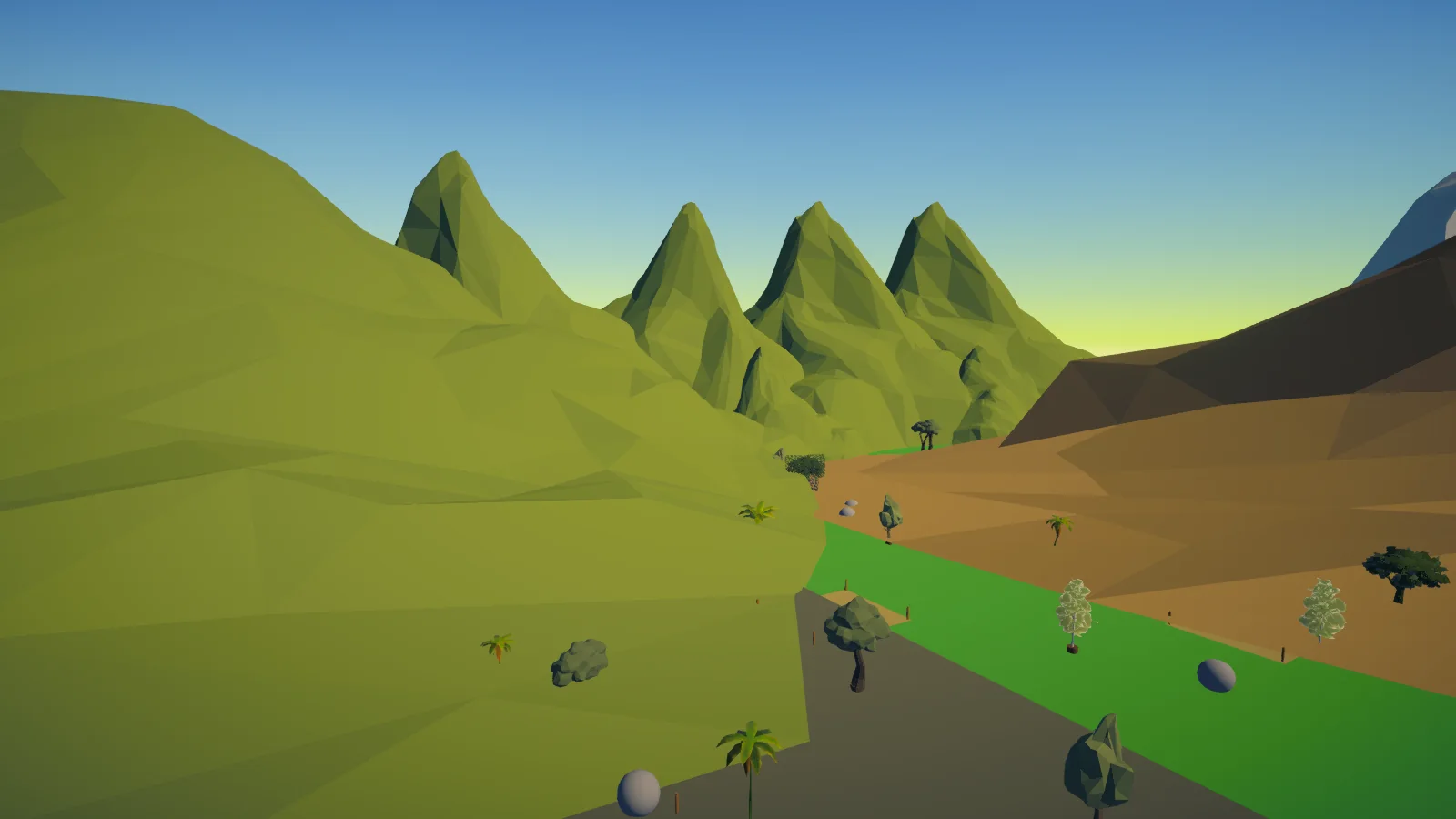
Craze City's actual development gallery includes colourful streets and a wider wilderness environment. The city is being built around character activities such as work and driving. Those images show the visual setting, while the connected-world article discusses how the spaces relate.
We are not promising that every visible building has an interior. That should be demonstrated location by location. For a closer look at moving through a city on foot, read walkable city exploration. If the scenery appeals to you, the waitlist is for future launch updates rather than immediate access to the full game.
Make it your kind of game
Your shortlist checklist
Tick the things you want to check before choosing. This is a scratchpad for this visit.
Inside our city / in development
Where Craze City fits
Craze City’s real development captures show the city and surrounding wilderness. The game is prelaunch. The images demonstrate visual direction, not a guarantee that every building can be entered or every route is final.
See actual game capturesQuick questions
Does a bigger map make exploration better?
Not by itself. Recognisable routes, useful destinations and interesting changes in scenery can matter more than total area, especially if you enjoy learning a place over time.
How can I test whether I like a town’s layout?
Watch a short uncut walk, then see whether you remember the route on a second viewing. Recognisable corners and landmarks are useful signs of a readable environment.