The Craze City field guide / 01
Apartment roleplay games: making a small home feel lived in
For apartment roleplay, prioritise a usable home and a character routine over the size of the property. A small room can support a good story if you can enter it, interact with its surroundings and return after activities elsewhere. Check visiting and privacy rules if you want other players involved.
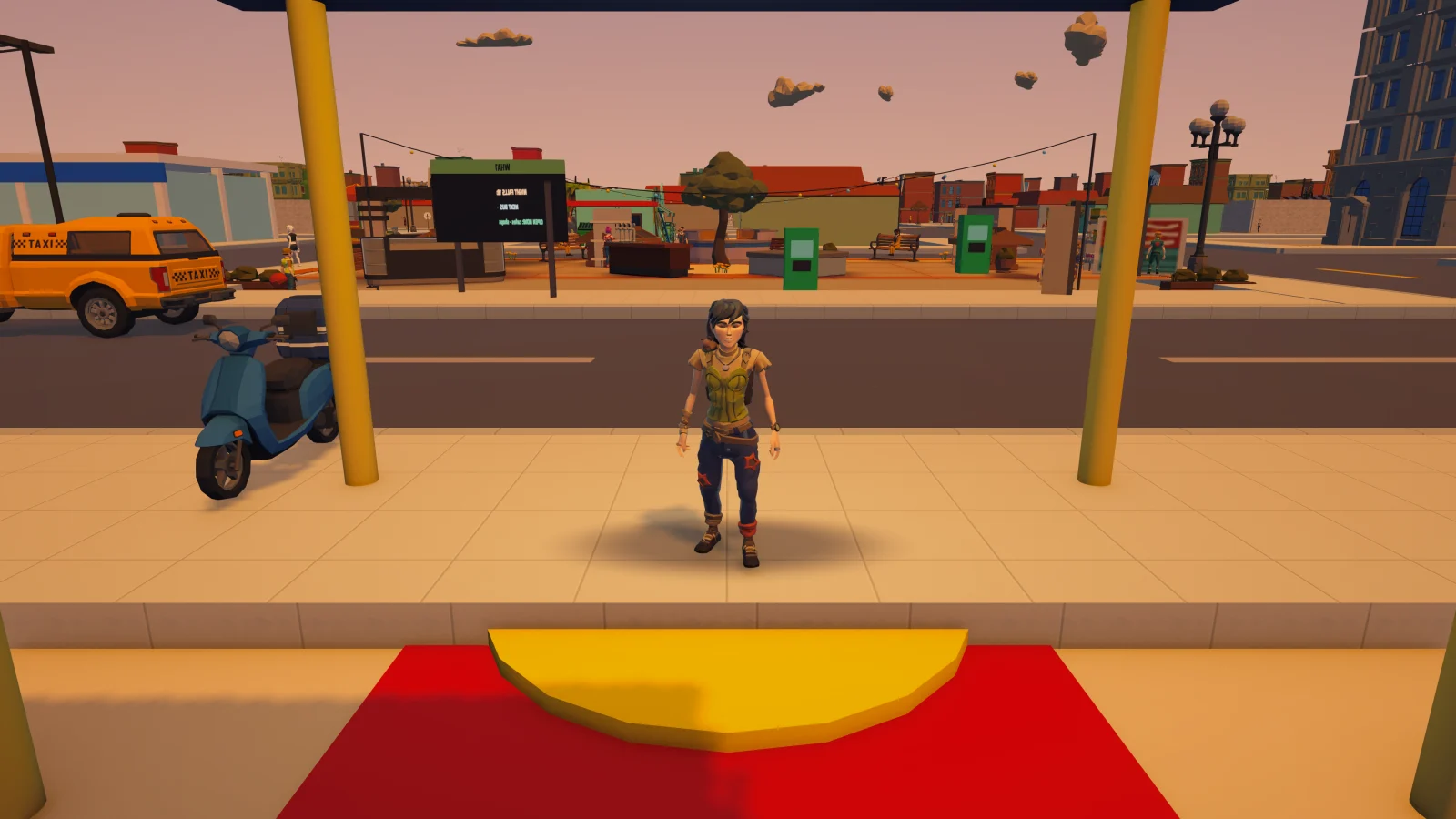
A player’s guide from the studio building Craze City. The full mobile game is prelaunch; the café browser challenge is playable now.
Give the apartment a role in the day
A home becomes more than a screenshot when it connects two activities. You might leave for a shift, stop somewhere on the way back and return to change your outfit. That small sequence gives the room a purpose without requiring a scripted storyline.
Try assigning one reason to each space you can actually use. A corner can be a place to get ready, a table can be the setting for an imagined meal, and the doorway can mark the start of an outing. Use the interactions the game provides, and treat the rest as your own story rather than assuming every prop is functional.
Small spaces can make stories easier
A compact apartment gives you fewer locations to manage. That can help when playing with a friend because both of you understand where the scene is happening. You do not need an elaborate mansion to act out a first day in a city or a quiet evening after work.
If you enjoy decorating, check the furniture controls separately from the housing claim. An apartment can be accessible without being editable. The home-decoration guide explains fixed furnishings, upgrade systems and free placement. Knowing the difference prevents a room preview from promising more control than the game provides.
Agree on the scene before inviting someone
Social roleplay works best when players share a simple premise. Decide who is visiting, what the scene is about and when it ends. Keep the plan small enough that either person can leave comfortably. An ordinary activity such as meeting before a shift is easier to coordinate than an elaborate story with many required roles.
Check the game's actual privacy and visitor controls. Can you limit access, remove someone or report unwanted behaviour? Do not assume a property is private just because your character owns it. Those are separate systems. For a game still in development, wait for clear information about social access rather than filling gaps with expectations.
A home in Craze City's wider city
Craze City has housing in its current build and describes home ownership in its development article. The broader appeal is having somewhere to return after jobs and exploration. This guide does not announce shared tenancies, co-owned apartments or a visitor-permission system.
You can use the actual city captures to judge the neighbourhood style being developed. They do not show a finished multiplayer apartment session. If you like inventing your own small stories, the roleplay ideas guide provides prompts that you can adapt to whichever interactions your chosen game really supports.
Make it your kind of game
Your shortlist checklist
Tick the things you want to check before choosing. This is a scratchpad for this visit.
Inside our city / in development
Where Craze City fits
Craze City’s development build includes housing and furnishing systems. The game is prelaunch. Owning a home does not by itself establish shared leases, roommate mechanics or multiplayer visitor permissions, so those are not promised here.
See actual game capturesQuick questions
Do I need a large house for roleplay?
No. A small, usable space can support a routine or a short scene. Clear interactions and an agreed premise matter more than the number of rooms.
Does owning an apartment guarantee private access?
No. Ownership and access controls are separate features. Check who can enter, how invitations work and what options exist for removing or reporting unwanted visitors.